

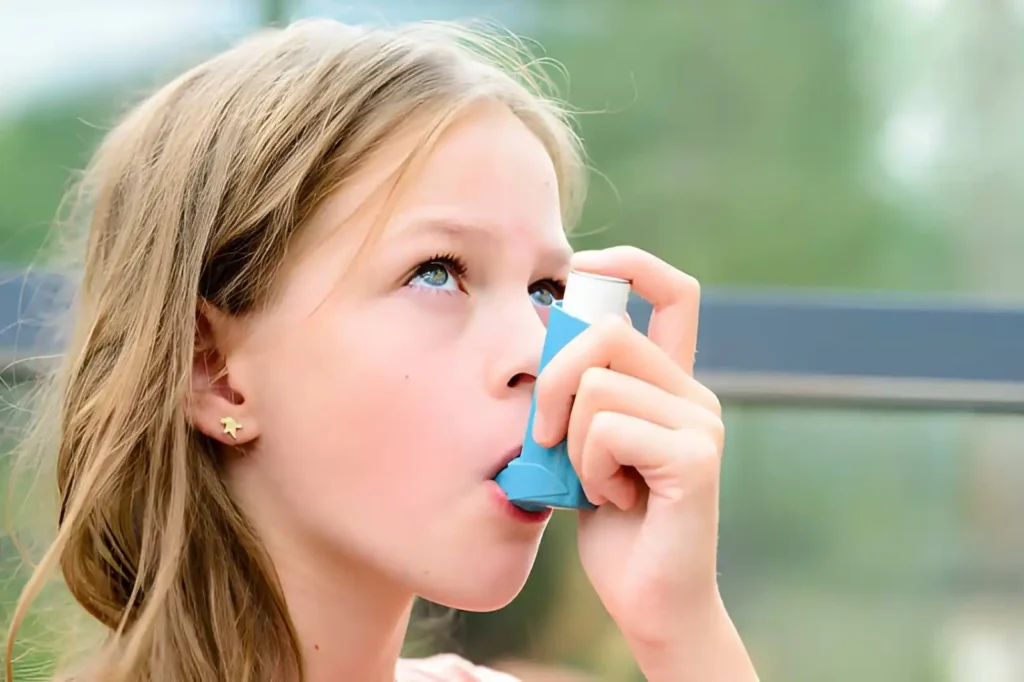
Childhood Asthma – Symptoms, Triggers and Treatment
Hearing your child cough repeatedly at night or wheeze during a cold can be unsettling. It is natural to wonder whether these symptoms could be asthma and what they might mean for your child’s sleep, play and school life.
This guide explains what childhood asthma looks like, what can trigger symptoms, how it is managed, and when a GP appointment or urgent care may be needed.
Key Takeaways
- Common childhood asthma symptoms can include recurring cough, wheezing, breathlessness, chest tightness and reduced ability to play or exercise.
- Triggers vary between children and may include respiratory infections, smoke, pollen, dust mites, exercise and cold air.
- Treatment may include prescribed reliever or preventer medicines, correct inhaler technique and a written Asthma Action Plan based on the child’s individual needs.
- A recurring cough or wheeze does not always mean asthma, so a GP assessment may be needed to understand the cause.
- Call 000 if a child is struggling to breathe, cannot speak normally, becomes sleepy or confused, turns blue around the lips, or does not improve after following their prescribed Asthma Action Plan.
What Is Childhood Asthma?
Asthma is a lung condition that affects the airways. In children with asthma, the airways can become narrow and inflamed, making it harder to breathe normally. Symptoms can come and go and may vary in how severe they feel. Healthdirect Australia describes asthma as a common chronic condition in Australian children that requires ongoing management.
What Are the Symptoms of Childhood Asthma?
Common childhood asthma symptoms include recurring coughing, wheezing, shortness of breath and chest tightness. Symptoms may be worse at night, during exercise or when a child has a cold. These symptoms can have other causes, so a GP assessment is important.
Signs parents may notice include:
- A cough that keeps returning, especially at night or early morning
- A whistling or wheezing sound when the child breathes out
- Breathing that looks faster or harder than usual
- Tightness or discomfort in the chest
- Difficulty keeping up during play or sport
- Symptoms that appear or worsen during exercise, respiratory infections, or exposure to cold air
Not all children show every symptom. Some mainly cough, while others wheeze more noticeably.
What Can Trigger Asthma in Children?
Triggers are things that can cause asthma symptoms to flare up. They vary between children and can change over time. Common triggers include:
- Colds, flu and other respiratory infections
- Tobacco smoke or exposure to vaping aerosols
- Pollen from grasses and trees
- Dust mites in bedding and soft furnishings
- Mould in damp areas of the home
- Exercise, especially in cold or dry air
- Air pollution or strong fragrances
- Weather changes, particularly cold or windy days
Identifying your child’s individual triggers can help you and your GP plan practical ways to reduce exposure where possible. Not every trigger can be avoided, but keeping your child’s environment free from tobacco smoke and vaping aerosols is important. Persistent or unclear triggers can be discussed during a GP review.
How Is Childhood Asthma Diagnosed?
There is no single test that confirms asthma, particularly in younger children. A GP will usually consider:
- The pattern and frequency of symptoms
- What makes symptoms better or worse
- The child’s medical history and family history
- A physical examination
- Breathing tests such as spirometry for children old enough to perform them reliably
Asthma assessment can differ by age. In younger children, a GP may rely more heavily on symptom patterns, medical history and response to prescribed treatment. Older children may be able to complete breathing tests such as spirometry where clinically appropriate.
How Is Childhood Asthma Treated?
Treatment depends on the child’s age, symptoms, triggers, medical history and clinical assessment. A GP will guide what is appropriate.
Common approaches may include:
- Reliever medicine: Used as prescribed to help ease asthma symptoms when they occur. Parents should follow the child’s medical advice and written Asthma Action Plan.
- Preventer medicine: Taken regularly to reduce airway inflammation and help prevent symptoms from occurring. Not all children will need a preventer.
- Spacer: A plastic chamber attached to the inhaler that helps medicine reach the airways more effectively. The Royal Children’s Hospital Melbourne recommends using a spacer with pressurised metered-dose inhalers in children.
Correct inhaler technique is important because it affects how effectively the medicine reaches the airways. A GP or practice nurse can check that your child is using the inhaler correctly.
Why an Asthma Action Plan and Inhaler Technique Matter
An Asthma Action Plan is a written plan developed with a GP that tells parents, carers, teachers and coaches what to do when asthma symptoms start or worsen. It outlines when to use medicine, when to seek help and when to call for emergency assistance.
Parents can view Asthma Action Plan resources from Asthma Australia and ask their GP which plan is appropriate for their child. Asthma Australia. Asthma Australia recommends updating a child’s plan when treatment or symptoms change and checking it regularly at GP reviews.
Sharing an up-to-date copy with your child’s school, childcare service and relevant sports carers helps them understand what to do if symptoms occur. A child’s Asthma Action Plan should also be reviewed whenever symptoms or medicines change and generally every six months.
When Should Parents Book a GP Appointment?
Consider booking a children’s health appointment if your child:
- Has recurring coughing, wheezing or breathlessness that keeps coming back
- Coughs at night, and it disrupts sleep regularly
- Struggles to keep up during normal play or sport
- Has had several episodes of respiratory symptoms over a few months
- Needs their reliever medicine more often than prescribed or more often than usual
- Has an Asthma Action Plan that has not been reviewed within the past six months or since symptoms or medicines changed
- Has recently had a significant asthma flare-up
If your child has recurring coughing, wheezing, night symptoms or difficulty keeping up during play, a GP can review the pattern and advise whether further assessment is appropriate.
When Is Childhood Asthma an Emergency?
Call 000 immediately if your child:
- is struggling to breathe or breathing very quickly
- cannot speak normally or can say only a few words per breath
- becomes unusually sleepy, confused or exhausted
- has pale or clammy skin
- turns blue around the lips
- collapses or becomes unresponsive
- continues to worsen or does not improve after following their prescribed Asthma Action Plan
Do not wait. Severe breathing difficulty in a child requires emergency care.
Childhood Asthma Support in Cameron Park
Cameron Park Healthcare provides children’s health appointments for recurring respiratory symptoms and ongoing asthma care. A GP can review your child’s symptoms, treatment and inhaler technique and discuss whether an Asthma Action Plan should be prepared or updated.
If your child has a recurring cough, wheeze, breathlessness or concerns about current asthma management, you can book a GP appointment at Cameron Park Healthcare to discuss suitable next steps.
FAQs
How do I know if my child’s cough could be asthma?
A recurring cough, especially at night, during exercise or alongside wheezing and breathlessness, may need GP assessment. A cough on its own does not confirm asthma, as other conditions can cause similar symptoms.
Can a child have asthma without wheezing?
Yes. Some children mainly experience coughing, breathlessness or reduced exercise tolerance without obvious wheezing. A GP should assess any recurring respiratory symptoms.
What are the most common asthma triggers in children?
Common triggers include respiratory infections, cigarette smoke, pollen, dust mites, mould, cold air, pollution and exercise. Triggers differ between children and are best identified through GP assessment.
When should I call 000 for my child’s asthma?
Call 000 for severe breathing difficulty, blue lips, inability to speak normally, unusual drowsiness or confusion, rapid worsening, or symptoms not improving according to the child’s action plan.