
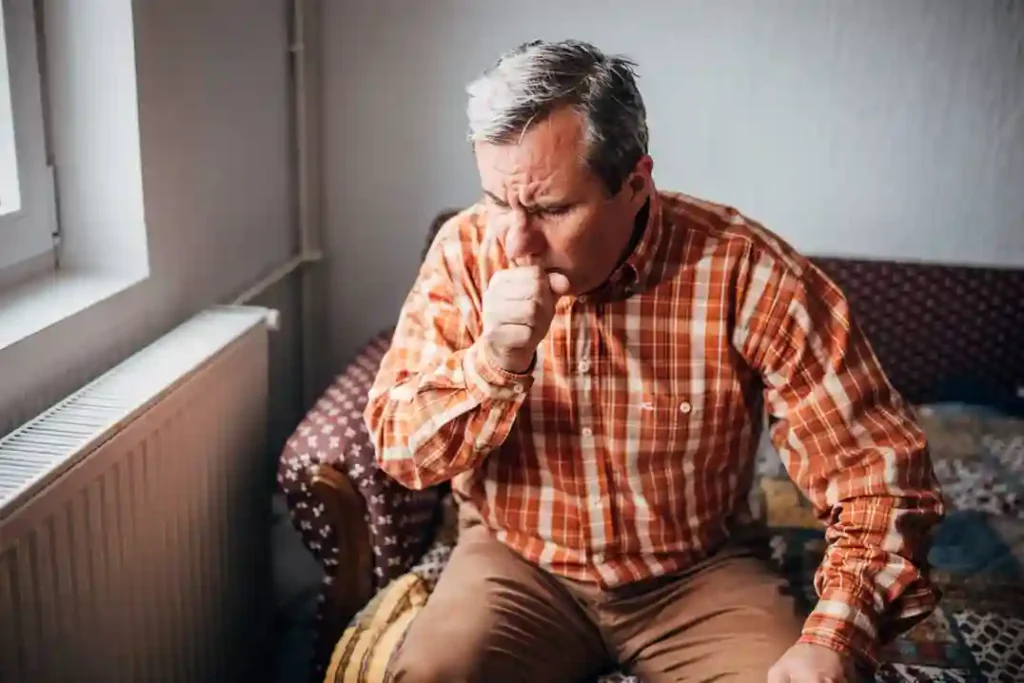
A cough that continues for weeks can be concerning, especially when a child has trouble sleeping, feeding or catching their breath. While many coughs are caused by common respiratory infections, some may be linked to whooping cough.
Whooping cough, also called pertussis, is a contagious bacterial infection that can affect people of any age. It often begins with cold-like symptoms before developing into repeated coughing fits. Young babies are particularly vulnerable to serious illness, so recognising symptoms early matters.
This guide explains whooping cough symptoms, Australian vaccination recommendations, possible side effects and when to seek medical advice.
Quick Answer: Whooping cough (pertussis) is a contagious bacterial infection caused by Bordetella pertussis. It can cause prolonged coughing fits and is particularly serious for young babies. Vaccination reduces risk, while suspected infections need appropriate assessment and precautions.
Key Takeaways
- Early symptoms can resemble a common cold.
- The characteristic whoop is not present in every case.
- Vaccination recommendations depend on age, pregnancy and risk.
- Early assessment and infection-control precautions help protect others.
What Is Whooping Cough and How Does It Spread?
Whooping cough spreads mainly through respiratory droplets released when an infected person coughs or sneezes. It can pass between people in households, childcare centres and schools.
People may be infectious from the early, cold-like stage, before whooping cough is recognised. Without appropriate treatment, they can remain infectious for up to three weeks after coughing begins.
What Are the Symptoms of Whooping Cough?
Early Symptoms
Whooping cough often starts like an ordinary cold, with a runny nose, sneezing, a mild cough, tiredness and sometimes a mild fever. These early symptoms can be hard to tell apart from other respiratory infections, which is part of why diagnosis isn’t always straightforward.
Later Symptoms
After a week or two, coughing can become more severe. Possible later symptoms include:
- Repeated, uncontrollable coughing fits
- A whooping sound when breathing in after coughing
- Vomiting or exhaustion after a coughing fit
- Coughing that continues for weeks
Not everyone makes the characteristic whooping sound, particularly vaccinated adults and some young infants.
How Does Whooping Cough Affect Babies and Adults?
Whooping cough doesn’t always look the same at every age. In young babies, coughing may be minimal or absent. Instead, watch for feeding difficulties, pauses in breathing, or changes in skin colour, which can be the more concerning early signs.
In adults, including those vaccinated in the past, whooping cough can present as a prolonged cough without an obvious whoop. This makes it easy to mistake for an ordinary lingering cough, which is why persistent coughing in an adult shouldn’t be dismissed automatically.
When Should You Seek Medical Help for Whooping Cough?
Contact a GP promptly if whooping cough is suspected, particularly after a known exposure. Parents of young infants should seek prompt assessment when symptoms are concerning, even if the cough itself seems mild. Call the practice before attending so staff can advise on appropriate arrangements.
Emergency warning signs: A baby with pauses in breathing, blue or grey colouring, or severe breathing difficulty needs immediate emergency help. Call 000.
Who Needs the Whooping Cough Vaccine in Australia?
Babies, Children and Teenagers
| Group | Recommended Australian schedule |
| Infants | First dose at 2 months, which can be given from 6 weeks |
| Babies and young children | Further doses at 4, 6 and 18 months |
| Preschool children | Booster at 4 years |
A GP or vaccination provider can review your child’s immunisation history and advise on catch-up vaccinations if any doses have been missed.
Vaccination During Pregnancy
Current Australian guidance recommends a pertussis-containing vaccine during every pregnancy, preferably between 20 and 32 weeks. This allows maternal antibodies to pass to the baby before birth, offering some protection in the vulnerable early months. If the recommended window is missed, vaccination can still be discussed with your maternity care provider, including through Cameron Park Healthcare’s women’s health services.
For detailed recommendations on pregnancy vaccination and other age groups, refer to the Australian Immunisation Handbook.
Adult Boosters and Close Contacts of Babies
At age 50, adults needing a tetanus booster are recommended to receive a pertussis-containing vaccine, particularly if they have not received one in adulthood. Adults aged 65 and over are recommended a booster if their last pertussis-containing dose was more than 10 years ago.
Household contacts and carers of babies younger than six months are recommended a booster at least two weeks before close contact if their last dose was more than 10 years ago. Healthcare workers and early childhood educators also have 10-year booster recommendations.
Cameron Park Healthcare provides routine vaccination services, and eligibility can be confirmed with the practice.
How Long Does Whooping Cough Vaccine Protection Last?
Protection from whooping cough vaccination decreases over time, which is why booster doses are recommended at certain ages and for certain risk groups rather than as a single lifetime dose.
Common vaccine reactions include:
- Soreness, redness or swelling at the injection site
- A mild fever
- Temporary unsettled behaviour or sleepiness in some children
These reactions are usually mild and settle on their own. A vaccination provider can advise on any reaction that seems more significant or doesn’t resolve as expected.
How Can You Prevent Whooping Cough From Spreading?
- Keep recommended vaccinations current for your age and stage of life
- Stay home if whooping cough is suspected or confirmed
- Avoid contact with newborns and pregnant people while infectious
- Cover coughs and sneezes, and practise good hand hygiene
In NSW, children diagnosed with whooping cough should generally stay home from school or childcare until they have received at least five days of appropriate antibiotic treatment. Without antibiotic treatment, exclusion generally continues for 21 days after the cough begins. A GP or local public health unit can advise on individual circumstances.
Your GP can confirm what applies to your situation.
How Does a GP Diagnose and Treat Whooping Cough?
A GP can assess symptoms, vaccination history and possible exposure to whooping cough. Testing may involve a swab collected from the back of the nose for PCR, which detects genetic material from the bacteria. The appropriate test depends partly on how long symptoms have been present.
Antibiotics may reduce how long a person is infectious, particularly when started early, but coughing can continue for several weeks. A GP may also advise whether close household contacts need preventive treatment. Learn more about general medicine consultations at Cameron Park Healthcare.
Whooping Cough Advice at Cameron Park Healthcare
If you think you or your child may have whooping cough, call Cameron Park Healthcare on (02) 4950 1333 before attending. Reception can advise how to arrange an appropriate GP assessment while reducing the risk of spreading infection.
For routine vaccination enquiries, you can review the practice’s vaccination services or book an appointment online.
FAQs
Can you get whooping cough even if vaccinated?
Yes. Protection decreases over time, and vaccination reduces risk without being completely protective.
How long does whooping cough last?
Coughing can persist for several weeks, and sometimes longer, even after antibiotic treatment.
How soon do symptoms appear after exposure?
Symptoms usually begin around 7–10 days after exposure, although they can take up to about three weeks to appear. A GP can advise if you or your child has been exposed, particularly when a young infant is involved.
Do you need testing after exposure if you feel well?
Not routinely. Testing without symptoms isn’t usually necessary, but high-risk contacts may need medical advice about preventive options.
References and Further Reading
- NSW Health: Whooping Cough (Pertussis) Fact Sheet
- Australian Immunisation Handbook: Pertussis
- Healthdirect Australia: Whooping Cough
- Australian Government: Whooping Cough Vaccine