

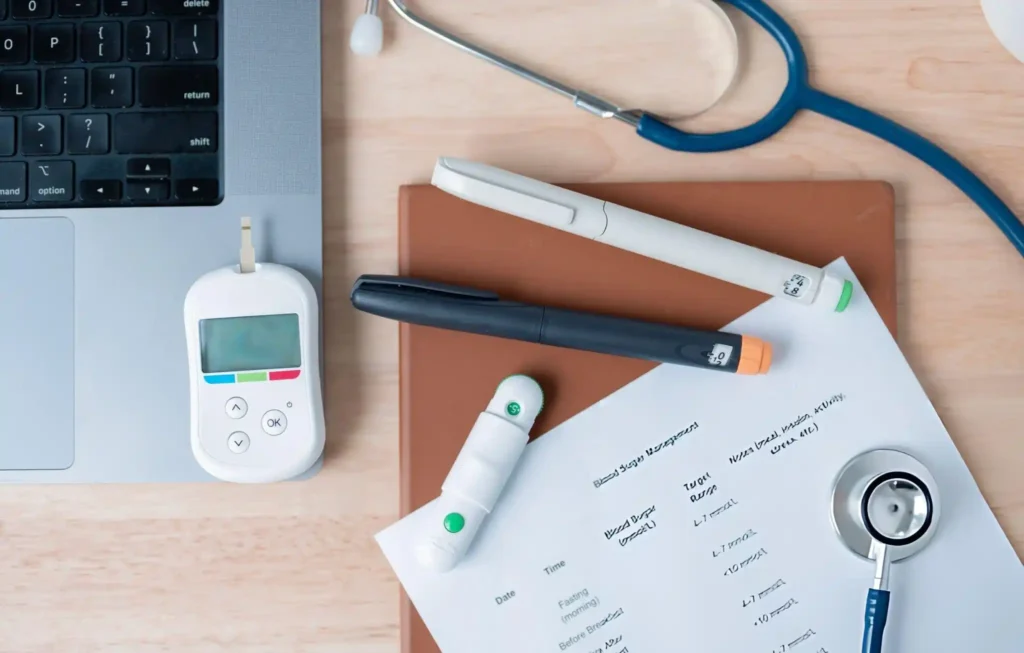
Diabetes Management and the Role of Your GP
Managing diabetes involves more than monitoring blood glucose. It may involve regular reviews, health checks, treatment adjustments and support from healthcare professionals based on your individual circumstances. For many Australians with type 2 diabetes, a GP can play an important role in coordinating ongoing care alongside other healthcare professionals.
This article explains what diabetes management typically involves, what your GP may check, and when booking an appointment may be useful.
Key Takeaways
- Diabetes management involves monitoring blood glucose, reviewing medicines, checking overall health and making adjustments over time.
- Regular GP reviews help identify changes and keep your care plan aligned with your health needs.s
- HbA1c is one important diabetes measure, alongside blood pressure, kidney health and cholesterol.
- Diabetes care may involve several healthcare professionals working together.
- Management plans are personalised and can change as your health needs change.e
What Is Diabetes Management?
Diabetes management is the ongoing process of monitoring health, reviewing treatment and supporting lifestyle factors that influence blood glucose and overall wellbeing. It is not a single event or a fixed routine. It is continuous, and it changes as circumstances change.
For people with type 2 diabetes, management generally involves:
- Monitoring blood glucose levels
- Reviewing medicines and adjusting where appropriate
- Checking blood pressure and cholesterol
- Supporting healthy eating and physical activity
- Monitoring kidney and eye health
- Assessing cardiovascular risk
- Coordinating care with other health professionals when needed
According to Diabetes Australia, care plans are an important part of diabetes management and can support access to coordinated GP-led care.
What Role Does Your GP Play in Diabetes Management?
A GP is often one of the main healthcare professionals involved in ongoing diabetes care. They assess overall health, monitor changes, review treatment and coordinate care with other members of your healthcare team.
During regular diabetes consultations, your GP may:
- Review your most recent HbA1c result and other blood test findings
- Check blood pressure and discuss cardiovascular risk
- Review your medicines and discuss whether any changes may be appropriate
- Arrange pathology testing where clinically indicated
- Discuss lifestyle factors such as diet, physical activity, smoking and alcohol
- Check or refer for foot health, eye health and kidney monitoring
- Consider whether a GP Chronic Condition Management Plan may be appropriate
- Refer to other health professionals such as a diabetes educator, dietitian or specialist when needed
If you are unsure how your blood glucose, medicines, lifestyle or other health factors fit together, a general GP consultation is the appropriate first step to review the overall picture.
What Happens During a Diabetes Review?
A diabetes review appointment allows your GP to assess different aspects of your health during the consultation.
It may cover:
- HbA1c results and blood glucose patterns
- Medication discussion, including any side effects or concerns
- Blood pressure reading and cardiovascular risk
- Weight or body measurements where relevant
- Kidney function and urine testing where appropriate
- Foot health discussion or check
- Eye-health monitoring if due
- A general discussion of how you have been feeling
If you are concerned about your diabetes care or have not had a review recently, a GP can assess what may need attention.
What Tests Are Used to Monitor Diabetes?
Blood tests and other health checks are a regular part of diabetes monitoring. They help your GP track changes over time and adjust your care when needed.
HbA1c
HbA1c is a blood test that shows your average blood glucose levels over the previous two to three months. It is one of the measures healthcare professionals use when reviewing diabetes management and is generally checked at regular intervals.
Blood Pressure
High blood pressure is more common in people with diabetes and can affect kidney and cardiovascular health. Checking blood pressure is a routine part of diabetes care.
Cholesterol
Cholesterol levels influence cardiovascular risk, which is particularly relevant for people with diabetes. A GP may request cholesterol testing as part of broader monitoring.
Kidney Function
Diabetes can affect the kidneys over time, so monitoring kidney health through blood and urine tests is an important part of ongoing care.
Where your GP requests these tests, pathology services can support blood testing and other relevant investigations.
Why Is Ongoing Diabetes Care Important?
Diabetes can change over time. Blood glucose patterns, medicines, lifestyle and overall health all shift, sometimes without obvious symptoms.
Regular GP reviews allow your healthcare team to monitor changes and discuss whether your care plan needs adjustment, discuss what those changes may mean and adjust your management plan when needed. For many people, care needs at diagnosis look quite different from those five or ten years later.
The most suitable approach depends on your individual health history, current circumstances and preferences.
Who May Be Involved in Diabetes Care?
Depending on your health needs, diabetes care may involve:
- Your GP for overall monitoring and coordination
- A diabetes educator for practical support and self-management skills
- A dietitian for nutrition and meal-planning guidance
- A podiatrist for foot health
- A pharmacist for medicines review and support
- A specialist when more complex assessment is required
For people with several ongoing health conditions, a chronic disease management plan may support coordinated care with other healthcare providers when appropriate and when eligibility requirements are met.
How Can You Prepare for a Diabetes Appointment?
Coming prepared helps your GP make the most of your appointment time.
Consider bringing:
- A current list of your medicines and doses
- Blood glucose records if you monitor at home
- A list of questions or concerns you want to raise
- Information about any symptoms or changes you have noticed
- Your Medicare card
If you are not sure how frequently you should be attending for diabetes reviews, ask your GP what schedule suits your individual health needs.
When Should You See a GP About Diabetes?
Book an appointment if:
- Your blood glucose readings have been changing or are outside your usual range
- You have questions about your medicines or want to discuss a change
- You are experiencing symptoms that may be related to your diabetes
- You are due for a routine diabetes review
- You have not had a diabetes assessment recently
- You have a new health concern and are unsure how it relates to your diabetes
If you would like to discuss your diabetes management or need a review, a GP can talk through your options and next steps.
FAQs
How often should someone with diabetes see a GP?
This depends on individual health needs, the type of diabetes, current management and other health factors. Your GP can advise on an appropriate review frequency based on your circumstances.
What tests are included in diabetes monitoring?
Common tests include HbA1c, blood pressure, cholesterol, kidney function checks and urine testing, among others. The specific tests recommended will depend on your individual health situation.
Can a GP manage type 2 diabetes?
Yes. GPs commonly provide assessment, monitoring, medication review and care coordination for people with type 2 diabetes. Referral to a specialist or other health professional may also be arranged where appropriate.
What happens during a diabetes review?
Your GP will discuss your recent test results, medicines, symptoms and general health, and may arrange further tests or referrals based on what is discussed.
Getting Support for Your Diabetes Care
Diabetes management works best when it is personalised, consistent and responsive to change. Whether you are newly diagnosed, managing diabetes long-term or supporting a family member, regular GP reviews can help you discuss changes in your health and understand your ongoing care options.
To discuss your diabetes management or arrange a review, book a GP appointment with Clarence Town Healthcare to discuss your care needs and next steps.